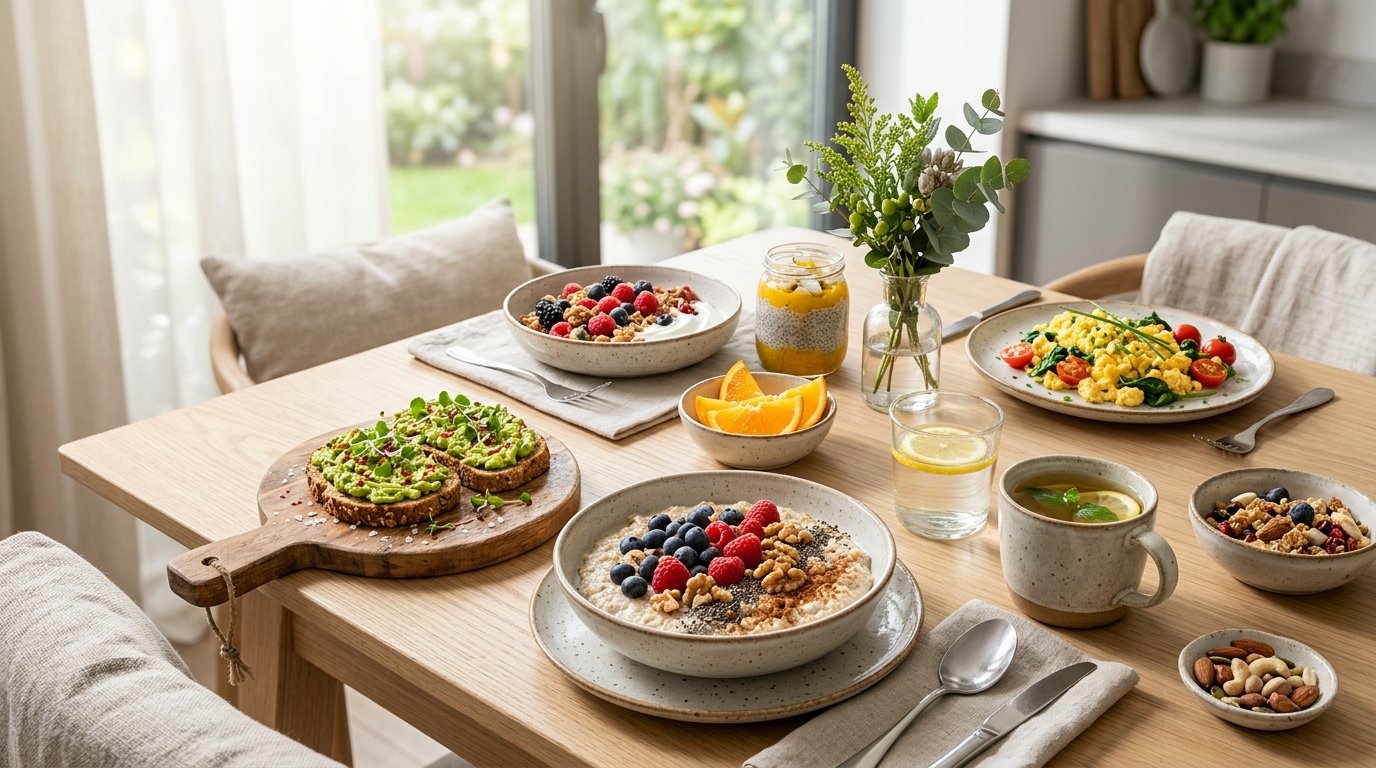
Most mornings start with a rush coffee in one hand, keys in the other, and breakfast either skipped or grabbed from a box. But what you eat in those first thirty minutes after waking up quietly shapes your cholesterol, blood pressure, and energy for the rest of the day. That’s not an exaggeration; it’s basic cardiology. And the good news is that eating well for your heart doesn’t mean bland oatmeal every single day.
This guide walks through real, practical heart healthy breakfast ideas the kind you can actually make on a Tuesday morning, not just look at in a glossy recipe photo. We’ll cover what makes a breakfast heart-friendly, which foods to lean on, which to limit, and a full week of options so you’re never stuck staring into the fridge.
What Makes a Breakfast “Heart Healthy”?
A heart healthy breakfast is one that’s low in saturated fat, added sugar, and excess sodium, while being rich in fiber, healthy unsaturated fats, and whole foods. The American Heart Association generally recommends building meals around whole grains, fruits, vegetables, lean protein, and healthy fats like those from nuts, seeds, and olive oil.
In simple terms, a good heart-healthy morning meal usually has three things:
- Fiber — from oats, whole grains, fruit, or legumes, which helps manage cholesterol levels
- Healthy fats — from sources like walnuts, chia seeds, or avocado instead of butter or fried foods
- Protein without excess saturated fat — think eggs in moderation, Greek yogurt, or plant-based proteins like tofu
What it should generally avoid: refined sugar, processed meats like sausage and bacon, and heavily salted packaged cereals.
Why Breakfast Matters More Than People Think
Skipping breakfast entirely has been linked in some studies to higher risk of cardiovascular issues over time, though researchers are still working out exactly why — it may be tied to how skipping meals affects blood sugar swings and later overeating. What’s clearer is that what you eat at breakfast has a measurable short-term effect on things like blood sugar spikes and how your body handles fat later in the day.
This doesn’t mean breakfast is magic. It means it’s one of several daily habits alongside movement, sleep, and stress management that adds up over months and years.
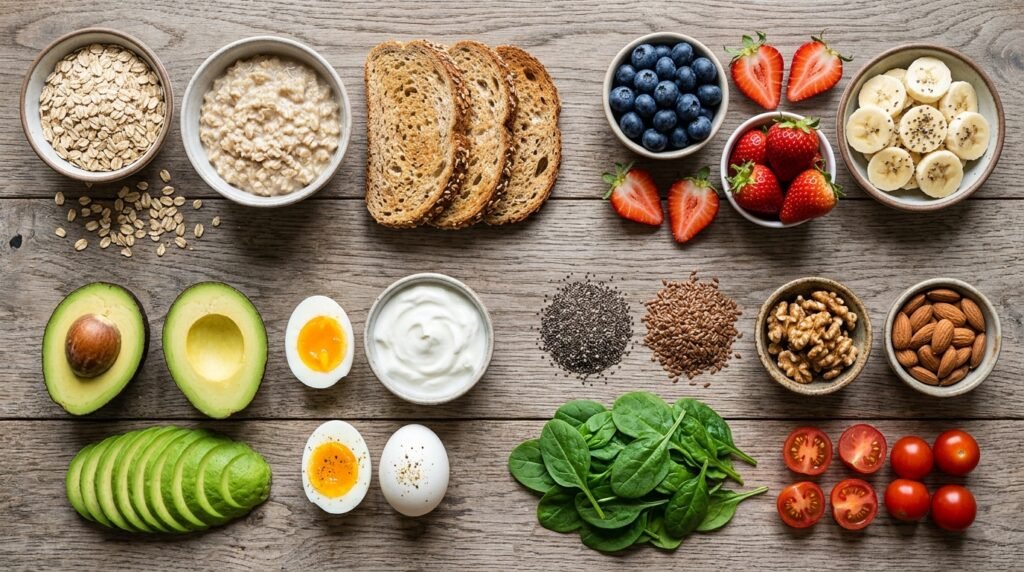
Best Heart-Healthy Breakfast Foods (Quick Reference Table)
| Food | Why It Helps the Heart | Easy Way to Use It |
|---|---|---|
| Oats | Contains beta-glucan fiber, linked to lower LDL cholesterol | Overnight oats, warm oatmeal |
| Berries | Rich in antioxidants and fiber, low in sugar compared to other fruits | Topping for yogurt or oatmeal |
| Walnuts & flaxseed | Good source of plant-based omega-3 fatty acids | Sprinkle over anything |
| Eggs | High-quality protein; moderate intake is fine for most healthy adults | Boiled, poached, or scrambled with veggies |
| Greek yogurt | Protein-rich, lower in sugar than flavored yogurts (choose plain) | Base for parfaits |
| Avocado | Source of monounsaturated fat, helps with satiety | Spread on whole-grain toast |
| Whole-grain bread | More fiber than white bread, helps slow sugar absorption | Toast, sandwiches |
| Leafy greens | Adds potassium and folate with almost no calories | Add to omelets or smoothies |
10 Heart Healthy Breakfast Ideas to Try This Week
1. Overnight Oats with Berries and Chia Seeds
Combine rolled oats, unsweetened almond milk, chia seeds, and a handful of blueberries in a jar the night before. By morning, it’s a creamy, fiber-packed breakfast that needs zero cooking.
2. Avocado Toast on Whole-Grain Bread
Mash half an avocado onto toasted whole-grain bread, add a pinch of black pepper and chili flakes, and top with a poached egg if you want extra protein. Simple, filling, and rich in healthy fat.
3. Greek Yogurt Parfait
Layer plain Greek yogurt with fresh fruit and a spoonful of chopped walnuts. Skip the granola with added sugar — make your own or use a low-sugar version instead.
4. Veggie Omelet
Two eggs whisked with spinach, tomatoes, and mushrooms, cooked in a small amount of olive oil. A good option when you want a warm, savory breakfast without processed meat.
5. Oatmeal with Cinnamon and Banana
Cook oats with water or low-fat milk, then top with sliced banana and a dash of cinnamon instead of sugar. Cinnamon adds flavor without the blood-sugar spike that sugar causes.
6. Smoothie with Spinach, Berries, and Flaxseed
Blend spinach, frozen berries, a banana, ground flaxseed, and unsweetened almond milk. It’s an easy way to get fiber and omega-3s in when mornings are tight on time.
7. Whole-Grain Toast with Nut Butter
Choose natural peanut or almond butter (no added sugar or hydrogenated oils) on whole-grain toast. Add banana slices for extra potassium.
8. Chia Pudding
Mix chia seeds with unsweetened almond milk and let it sit overnight until it thickens into a pudding texture. Top with fresh fruit in the morning.
9. Vegetable and Bean Breakfast Bowl
Black beans, sautéed peppers, and a poached egg over a bed of greens. A savory, fiber-rich option that’s less common but very satisfying.
10. Whole-Grain Pancakes with Fruit
Use whole-wheat flour, top with fresh fruit instead of syrup, and skip the butter in favor of a light drizzle of honey if needed. A treat that still fits a heart-conscious routine.
What to Limit or Avoid at Breakfast
- Processed breakfast meats like bacon and sausage, which tend to be high in sodium and saturated fat
- Sugary cereals and flavored yogurts, where added sugar is often hidden in the ingredient list
- Pastries and muffins made with refined flour and butter
- Excess salt in packaged breakfast sandwiches or instant oatmeal packets
None of these need to be eliminated forever — occasional treats are part of a realistic, sustainable diet. The goal is making them the exception, not the daily default.
People can also read this: 15 Quick Healthy Breakfast Ideas for Busy Mornings
A Simple 5-Day Heart-Healthy Breakfast Plan
| Day | Breakfast |
|---|---|
| Monday | Overnight oats with berries and chia seeds |
| Tuesday | Veggie omelet with whole-grain toast |
| Wednesday | Greek yogurt parfait with walnuts |
| Thursday | Smoothie with spinach and flaxseed |
| Friday | Avocado toast with a poached egg |
Rotating meals like this keeps things interesting while covering different nutrients across the week, instead of relying on one “perfect” breakfast every day.
A Balanced Perspective
It’s worth being honest here: no single breakfast will prevent heart disease on its own, and no food is purely “good” or “bad” in isolation. Genetics, overall diet pattern, physical activity, sleep, and stress all play a role in heart health. Breakfast choices are one piece of a much bigger picture — a helpful piece, but not a substitute for regular checkups or medical advice if you have existing heart conditions, high cholesterol, or high blood pressure. If you’re managing a specific condition, it’s worth talking to a doctor or registered dietitian about what fits your situation, since needs can vary quite a bit from person to person.
Conclusion
Heart healthy breakfast ideas don’t have to be complicated, expensive, or boring. Oats, eggs, berries, nuts, and whole grains form the backbone of a heart-friendly morning, and small swaps like choosing plain yogurt over flavored, or whole-grain bread over white — add up over time. Pick two or three ideas from this list, try them this week, and build from there. Consistency, not perfection, is what actually supports long-term heart health.
FAQs
What is the healthiest breakfast for heart health?
There isn’t one single “best” breakfast, but options built around oats, eggs, berries, and whole grains — like overnight oats or a veggie omelet — tend to check the most boxes for fiber, healthy fat, and protein.
Are eggs bad for heart health?
For most healthy adults, eating eggs in moderation is generally considered fine as part of a balanced diet. If you have specific cholesterol concerns, it’s best to check with your doctor about how many eggs per week make sense for you.
Is oatmeal really good for lowering cholesterol?
Oats contain a type of soluble fiber called beta-glucan, which has been linked in research to modest reductions in LDL (“bad”) cholesterol when eaten regularly as part of an overall healthy diet.
Can skipping breakfast harm my heart?
Some studies have found associations between regularly skipping breakfast and higher cardiovascular risk, though this is an area still being researched and doesn’t apply the same way to everyone.
What should I avoid eating for breakfast if I have heart disease?
Generally, it’s wise to limit processed meats, high-sodium packaged foods, sugary cereals, and pastries made with refined flour and added sugar — though your doctor’s specific guidance should always come first.
Are smoothies a good heart-healthy breakfast option?
Yes, as long as they’re made with whole fruit, vegetables, and unsweetened liquids rather than added sugars or syrups, which can turn a healthy smoothie into a high-sugar drink quickly.
For more updates visit: FUNDLY